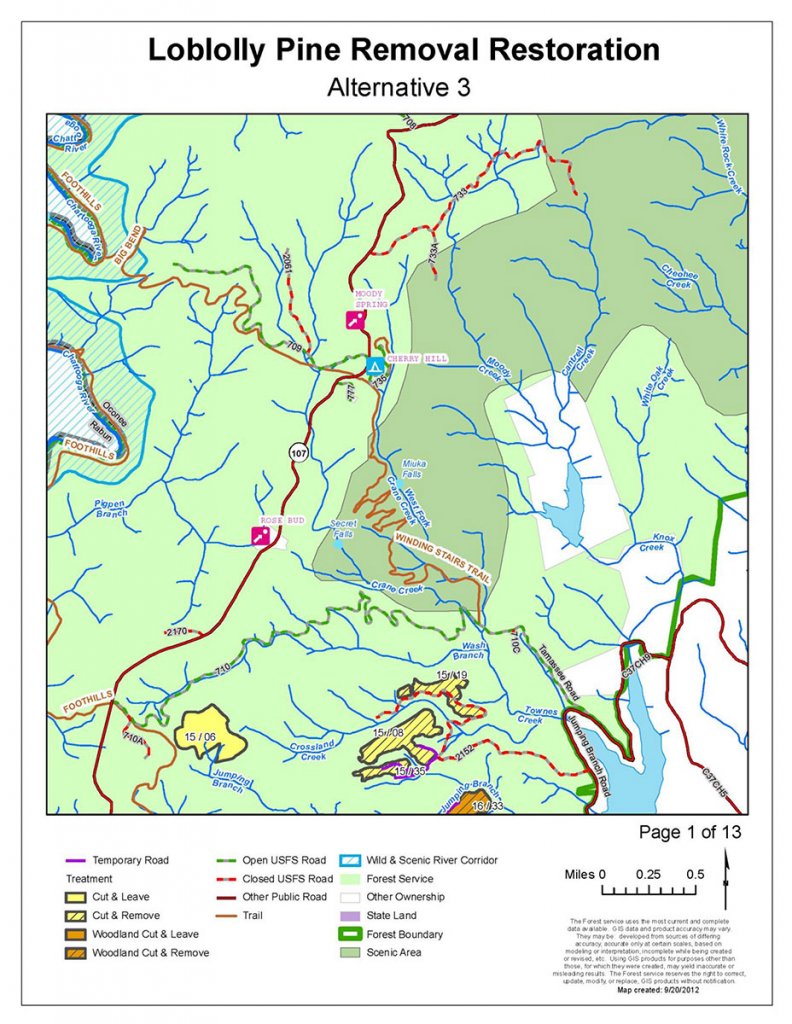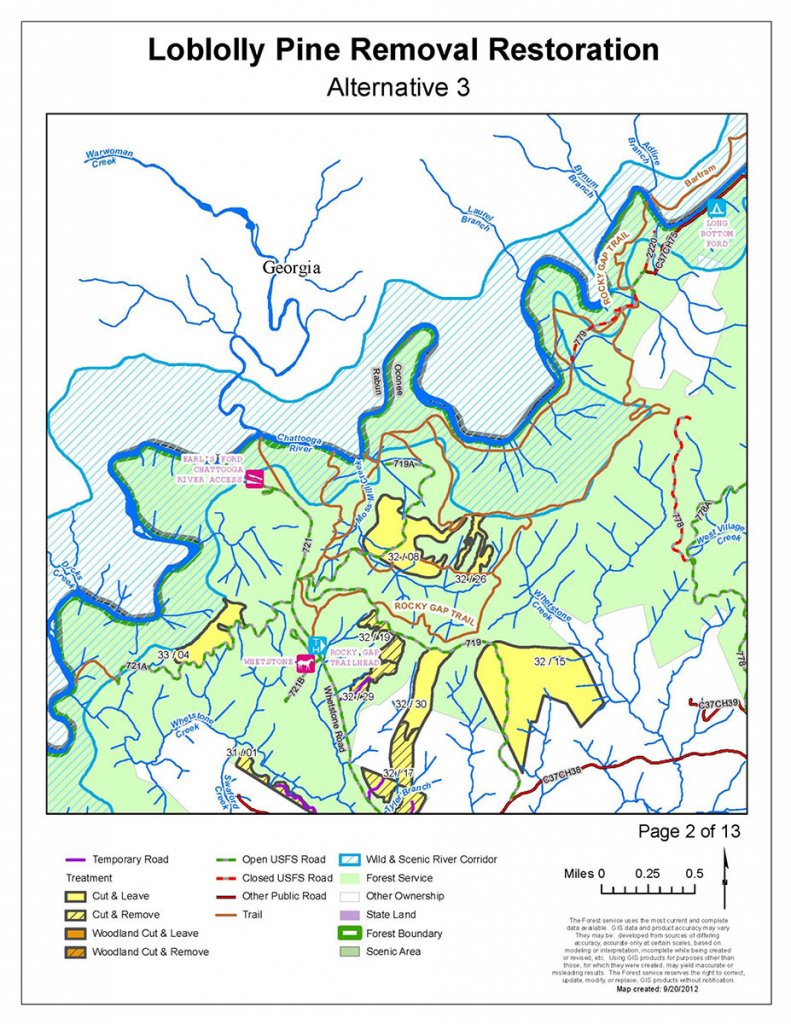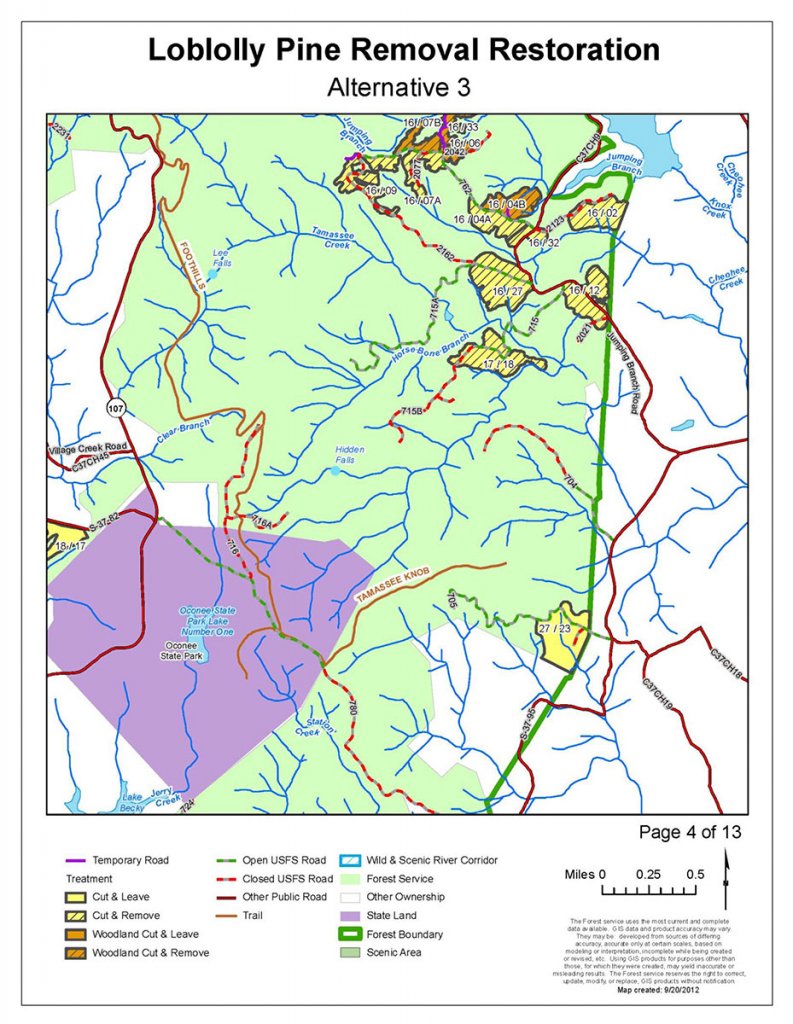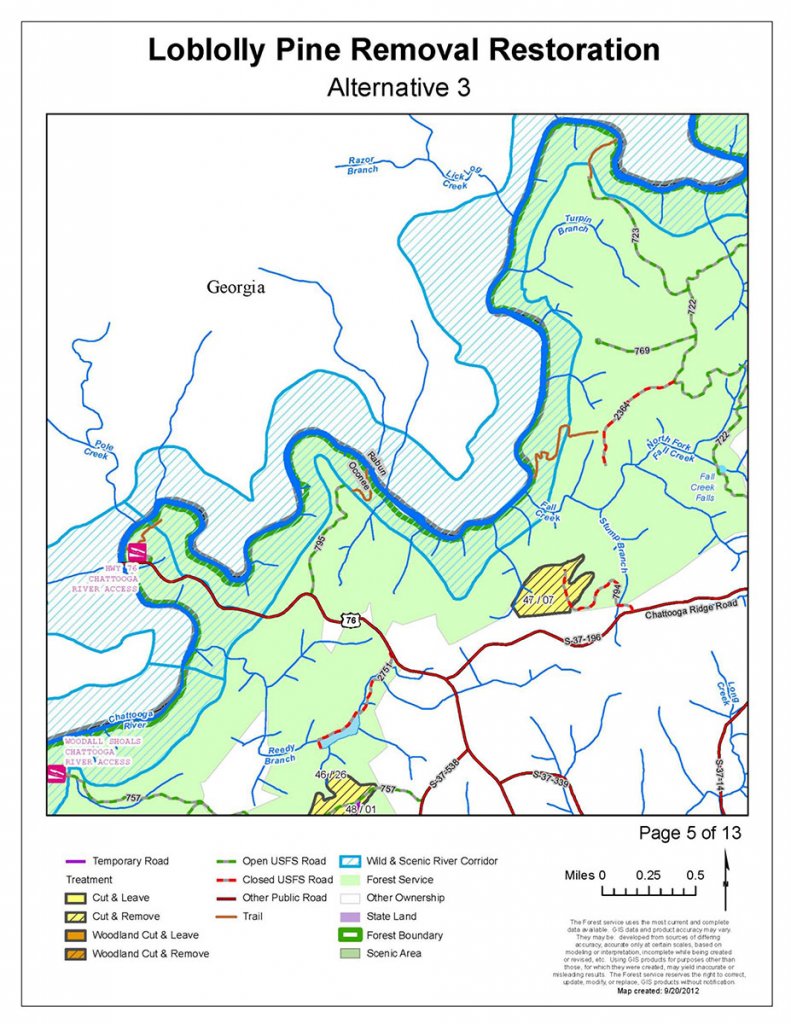

AP Ranger District
South Carolina
Project Background (2010-2013):
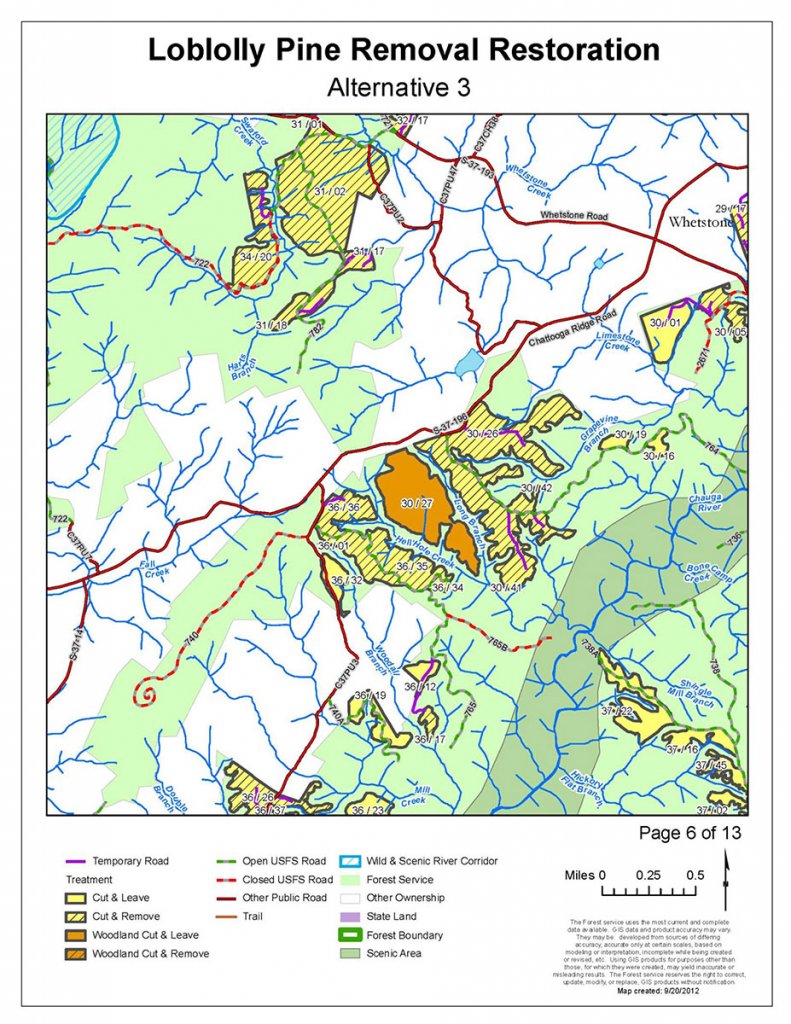
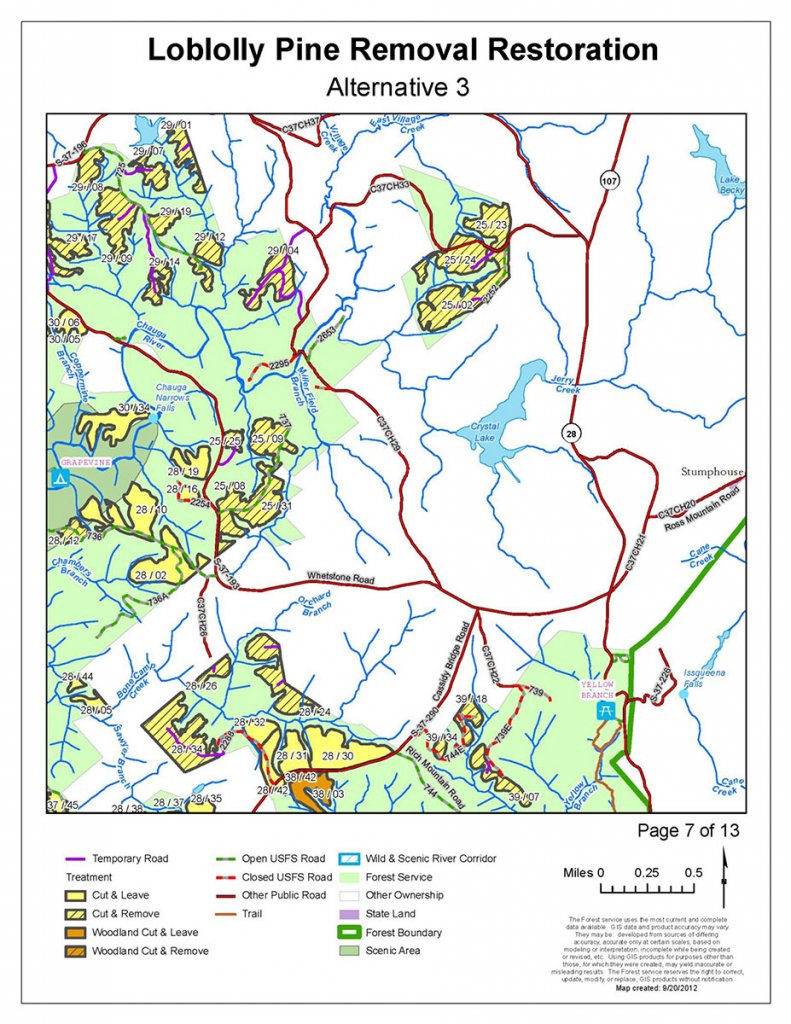
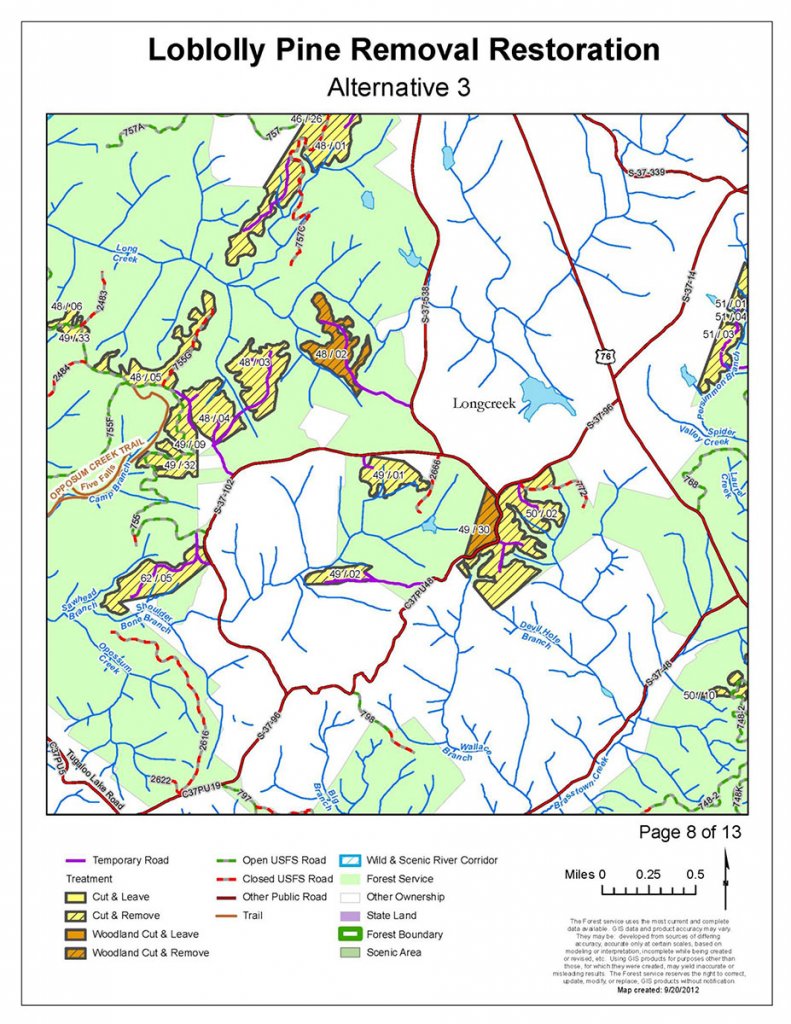
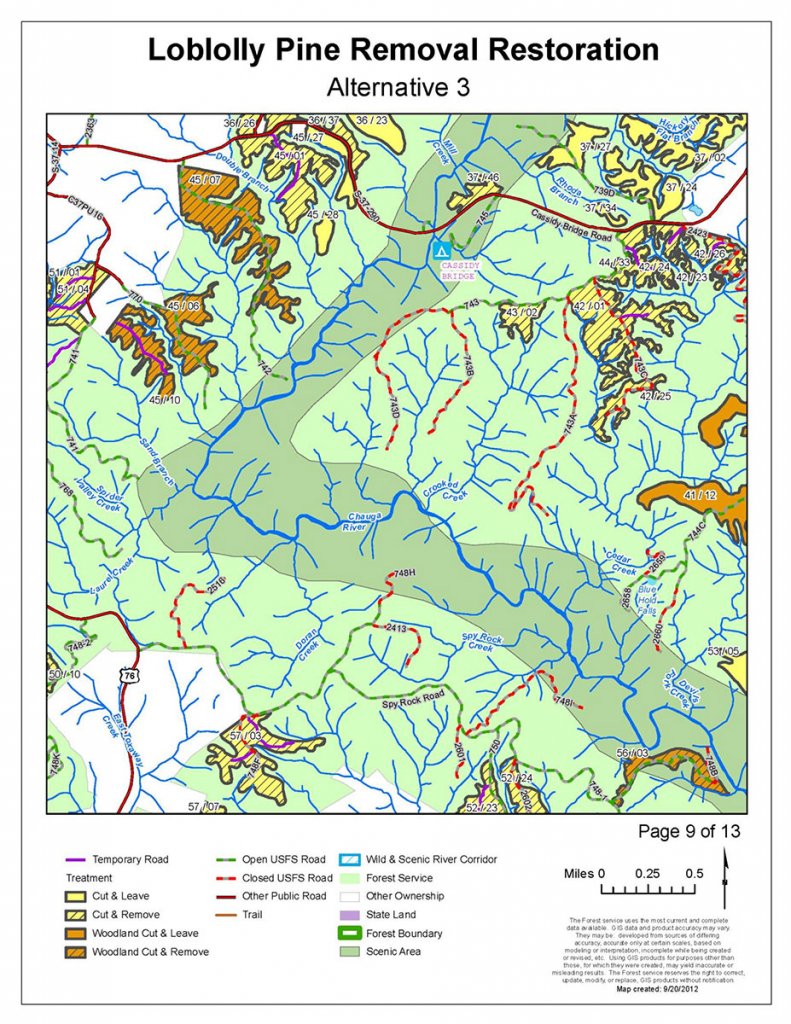
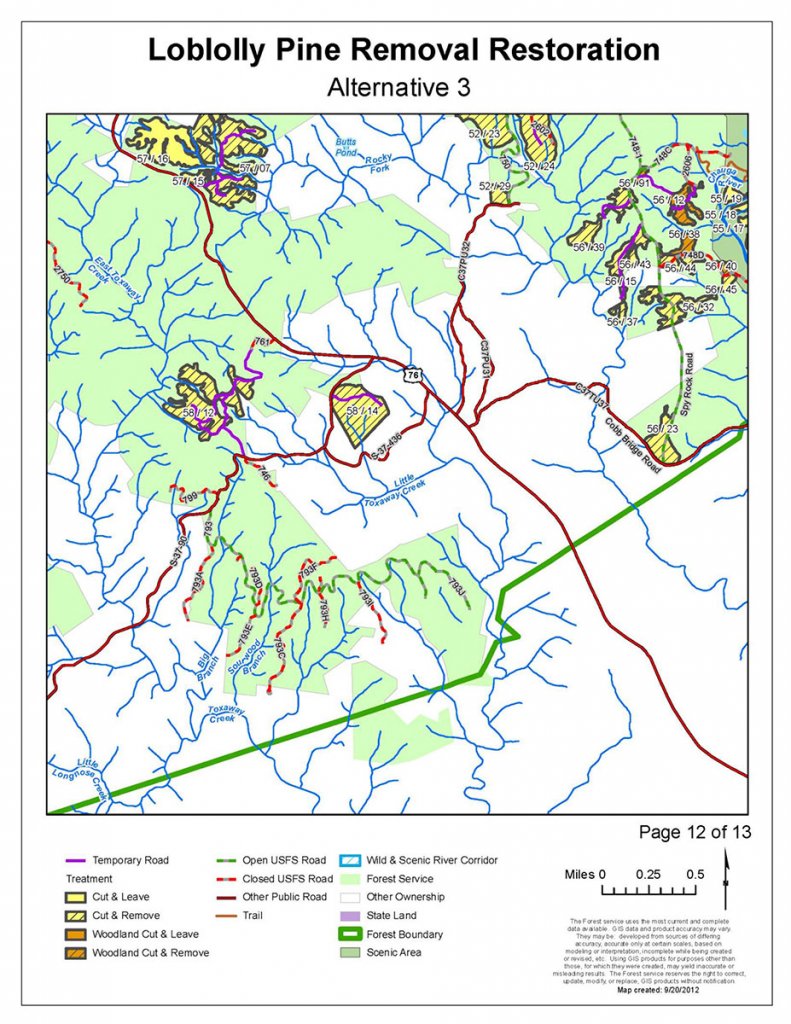
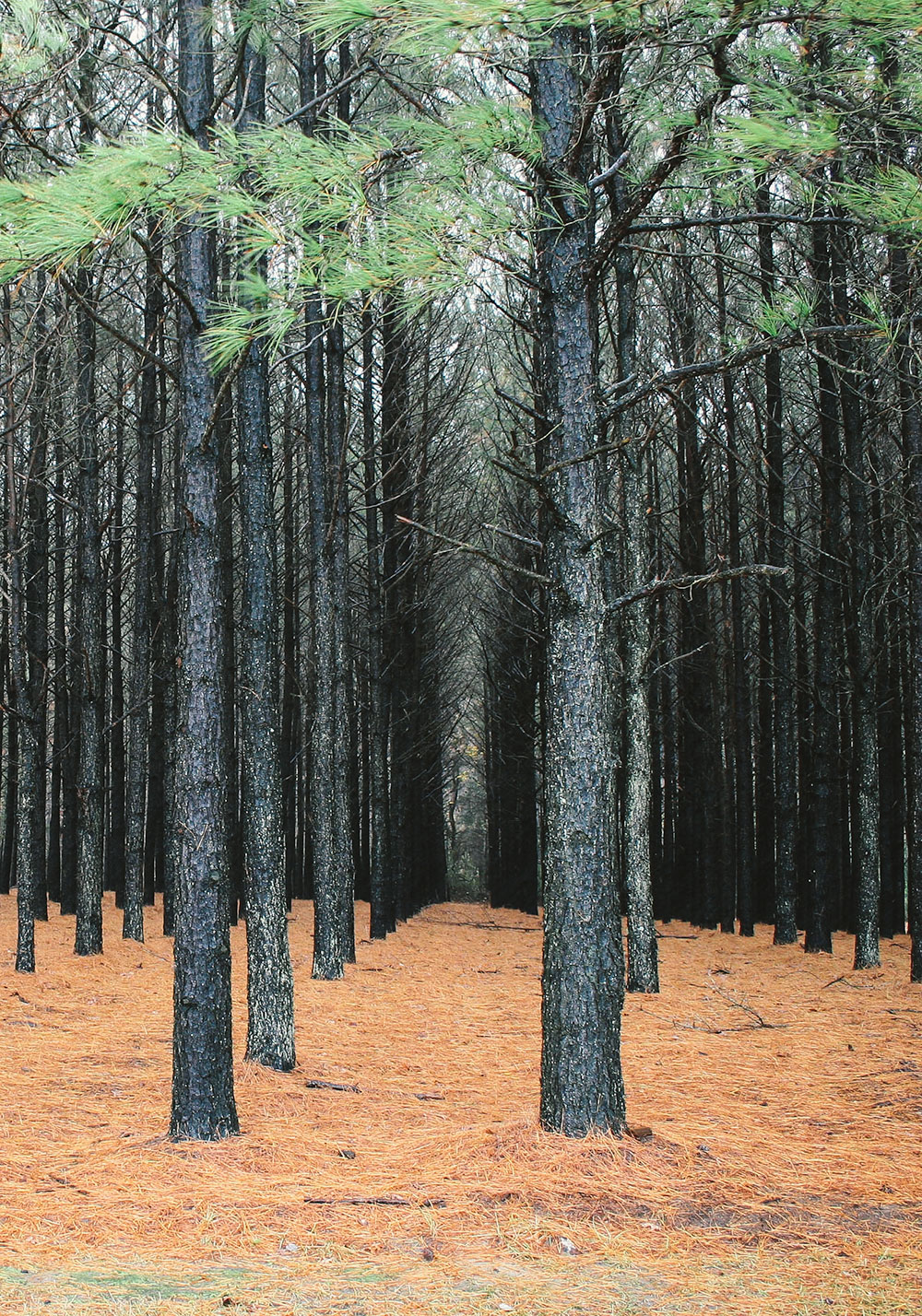
The Forest Service’s original Loblolly pine removal proposal (back in 2010) proposed herbicide applications on 3,264 acres; logging 5,605 acres (through a combination of cut/remove and cut/leave) within 5-10 years, and then re-planting Shortleaf pine seedlings on a 12’ x 12’ spacing (Shortleaf is a native pine, but the close spacing would crowd out other species); as well as “reconstructing” 59.2 miles of roads and building another 8.2 miles of new roads. In our opinion, this did not look like ecosystem restoration; rather, it appeared to be the start of another round of pine plantations, along with building miles and miles of new and reconstructed roads.
The Chattooga Conservancy agreed with the need for the project, but was critical of numerous details of the proposal. We recommended the following changes:
- Employ landscape planning science that is based on soil type, slope and aspect, to predict the potential native vegetation on each former loblolly pine stand site;
- After cutting the loblolly plantations, regenerate the true native forest type for the Chattooga watershed, which is composed of predominantly hardwood species; and,
- Do not build or re-construct more system roads for access (by the Forest Service’s own admission, the district already has excessive road densities), but instead manage the loblolly pine sites by either “cut-and-leave” treatments or by “benign neglect,” both of which would favor the regeneration of a native forest type.
Ultimately, the Forest Service’s decision (finalized in 2013) was to implement 3,172 acres of cut/remove timber harvest; 1,587 acres of cut/leave timber harvest; 5,542 acres of site preparation and release treatments, that could include prescribed burning and herbicides; 2,833 acres of reforestation treatments, to establish 300-435 native trees per acre; 784 acres of “woodland” treatments; maintenance/reconstruction of 47.5 miles of existing Forest Service roads; and constructing 24.9 miles of temporary roads, that would be closed and obliterated after use.
Supplement (2018):
The Forest Service’s 2018 supplement added to the 2013 decision such that, in total, the project now calls for
- cutting 6,872 acres of non-native loblolly stands;
- burning 4,369 acres;
- herbicide application on at least 5,542 acres;
- 57 miles of road maintenance/reconstruction;
- 37 miles of temporary roads; and,
- 8 miles of bulldozer fire lines.
The Loblolly Pine removal project in the Andrew Pickens Ranger District will be ongoing for a number of years. Citizen oversight of the on-the-ground work is needed. Please contact the Chattooga Conservancy if you are interested in helping monitor this massive project.