

federal actions
A guide to this page:

November 21st, 2025
On November 21st, 2025, following Trump directives from an Executive Order titled “Unleashing American Energy,” U.S. Fish and Wildlife Services (USFWS) published four proposed rules to amend its regulations implementing the Endangered Species Act (ESA). The new regulations would roll back protections for federally threatened and endangered species.

Image: Glaucomys sabrinus coloratus, by U.S. National Park Service, via NP Gallery (public domain)


Status:
Published November 21st, 2025. Comment period closed December 22nd, 2025.
What you can do:
The comment period for these proposed regulation changes has closed. Check back for updates as USFWS reviews the comments and announces next steps.
“Waters of the United States” Proposed Rule: November 20th, 2025
Water Quality Certification Regulations: January 15, 2026
On November 20th, 2025, the Environmental Protection Agency (EPA) and U.S. Army Corps of Engineers (USACE) jointly published a proposed rule that could substantially limit the scope of the Clean Water Act (CWA). Established in 1972 (as a rewriting of the 1948 Federal Water Pollution Control Act), the CWA is one of the most influential modern environmental laws in the country, serving as the primary law by which the United States governs water pollution.
Alleging precedent under the 2023 Supreme Court ruling in Sackett v. EPA, the new proposed rule would remove protections by narrowing the definition of the phrase “waters of the United States” as it occurs in the CWA. The scope of “waters of the United States” has been redefined several times since enactment of the CWA, both in Supreme Court rulings and agency regulations; narrowing its definition limits what is protected by the CWA and thus favors development over conservation. EPA and USACE’s new proposed rule also seeks to narrow the definitions of phrases “tributary” and “relatively permanent,” in a maneuver meant to loosen up restrictions on development impacting small streams and ephemeral wetlands.

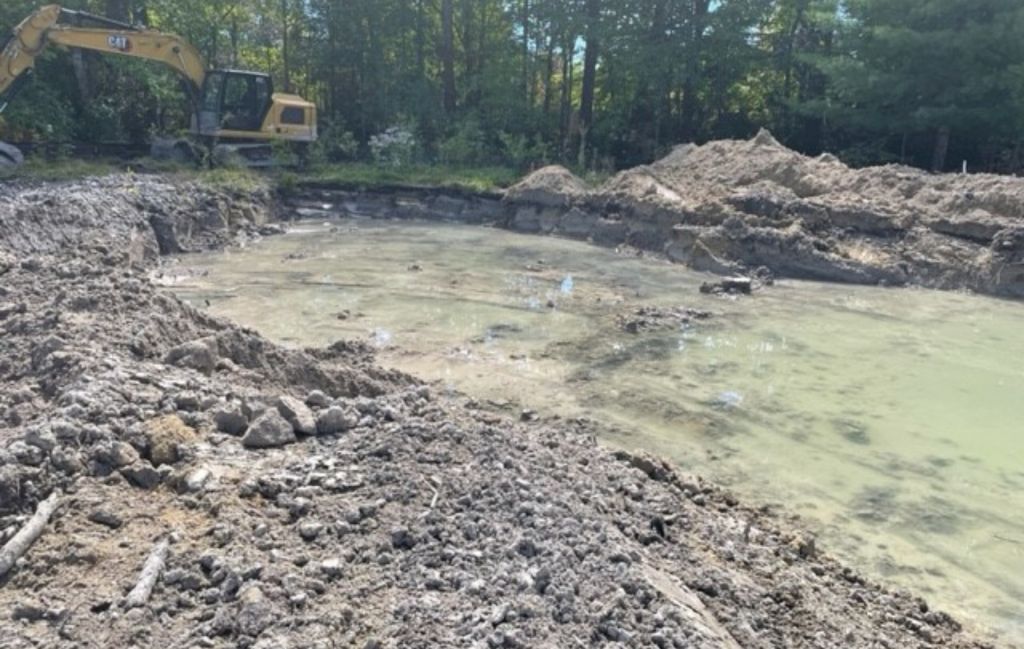
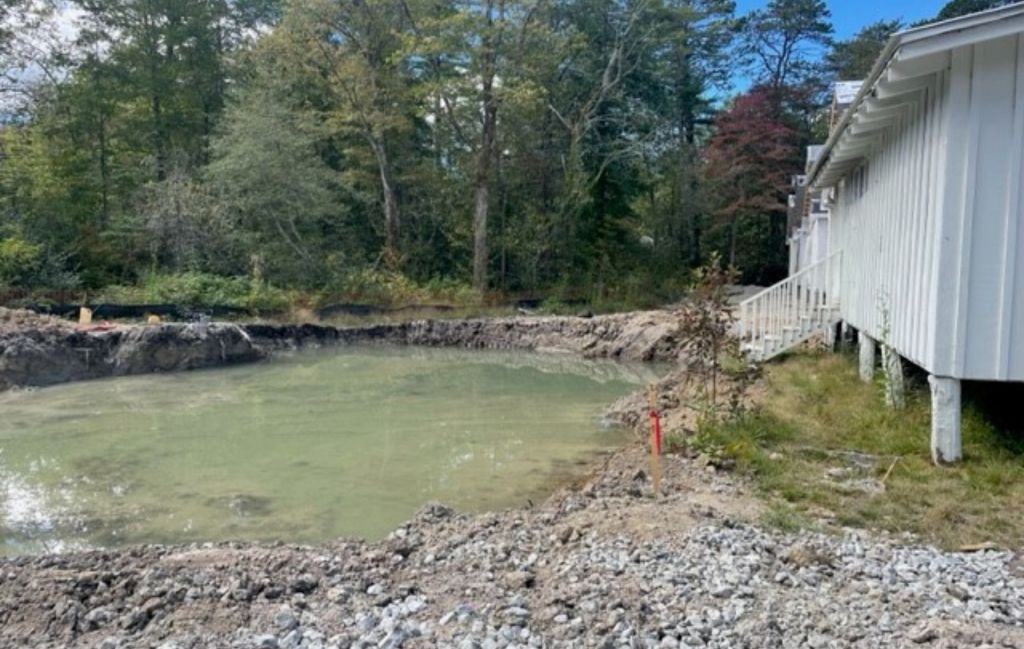
Images: A wetland in Cashiers, NC, destroyed to make way for a parking lot behind the “Wormy Chestnut Shoppes” expansion on Hwy. 64. Photos by Nicole Hayler, 2023
On January 20th, 2026, the EPA published a proposed rule that could limit the ability of States and Tribes to block environmentally harmful activities under the Clean Water Act (CWA). Specifically, the proposed rule aims to make key changes to CWA section 401.
Section 401 is a direct grant of authority to States and Tribes to review proposed activities within their borders for compliance with Federal, State, and Tribal water quality requirements. If the State or Tribe’s environmental review determines the proposed activities do not meet water quality requirements, the State or Tribe has the authority to veto the activities—such as in 2017, when New York state regulators rejected a pipeline project slated to impact local streams and wetlands.
The lion’s share of these proposed changes are a simple reinstatement of changes made during Trump’s first presidency. For example, the new proposal seeks to return to the “2020 Rule,” which rejects that states and tribes may review the “activity as a whole” for compliance and instead favors a “discharge-only” scope of review. This would mean that, rather than being able to consider the full impact of a development project, states and tribes exercising authority under Section 401 would be strictly limited to reviewing only any associated “discharge from a point source into the Waters of the United States.” Whether or not that definition includes sediment runoff as a result of construction, thermal discharge, or discharge resulting from unplanned disasters such as oil spills is left ambiguous.
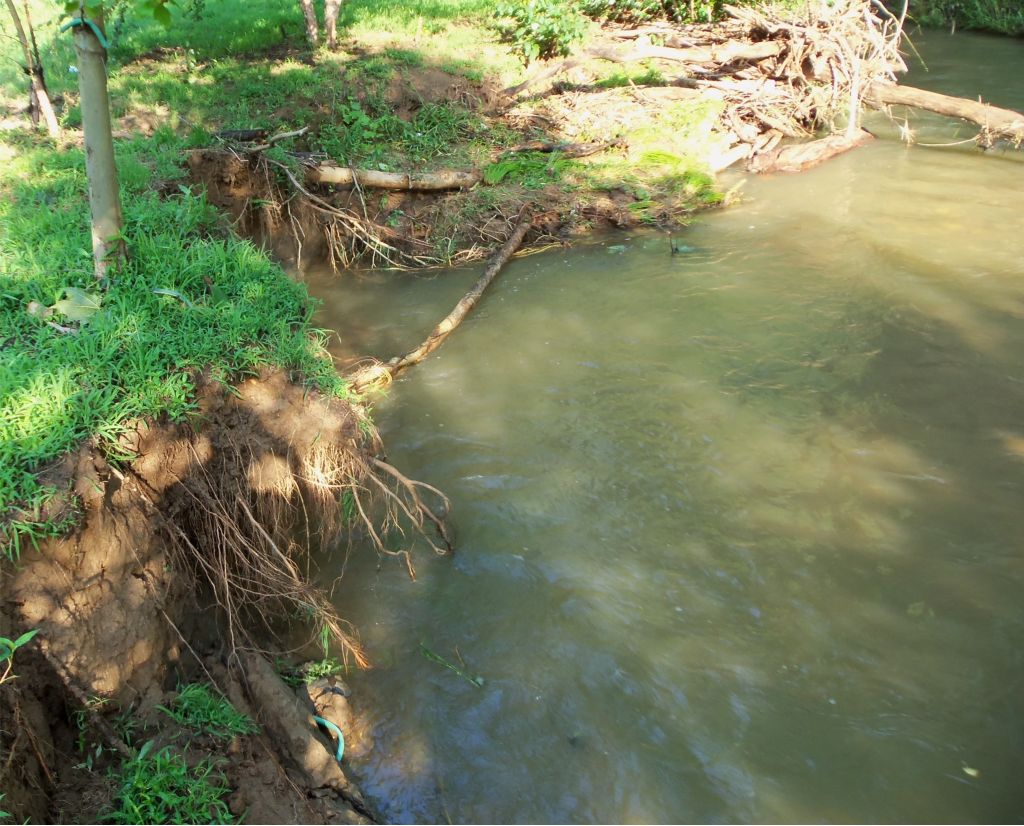
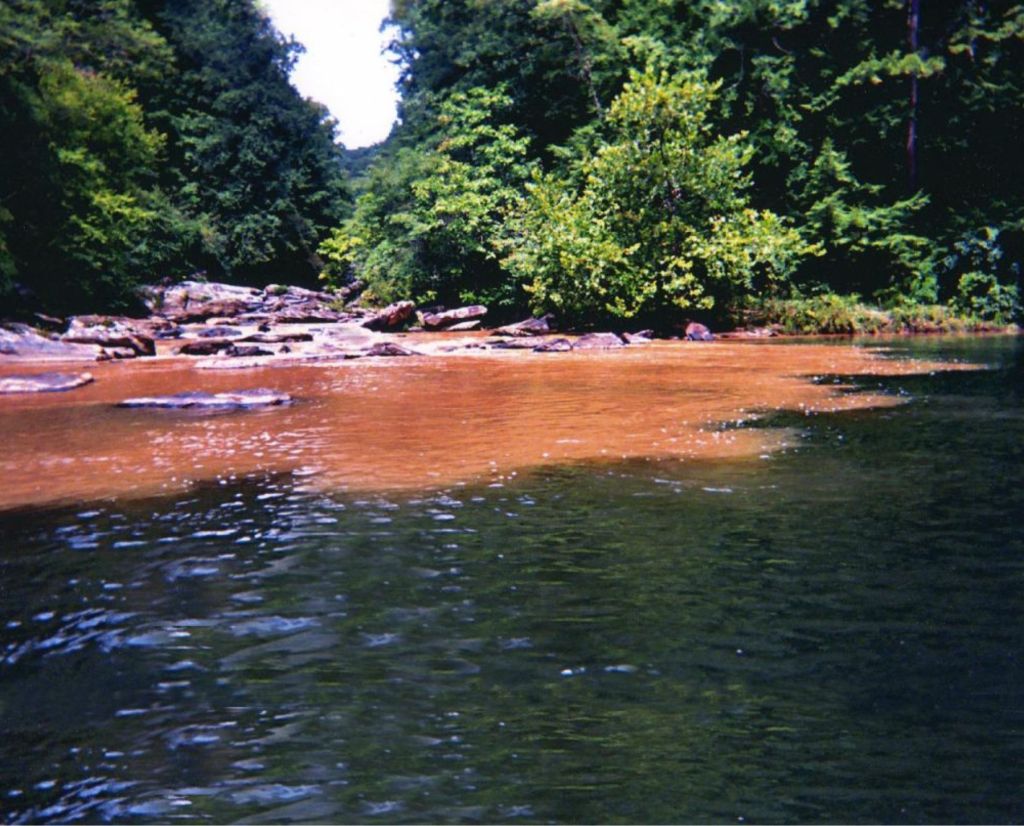
Images: Stekoa Creek, a Chattooga River tributary affected by both point and nonpoint pollution sources. Photo 1: Contributed Photo, Photo 2: Nicole Hayler
The proposed changes also seek to repeal regulations that allow Tribes “treatment as state” solely in reference to CWA Section 401. These regulations allow smaller tribes who have not been granted treatment as state—such as the seven non-EBCI tribes of North Carolina—to maintain a say in the protection of their own water quality. This proposed repeal would remove that voice, only allowing tribes who have been granted full treatment as state the right to review proposed activities on their land under Section 401.
The intention of these changes is readily apparent: to keep the permitting of environmentally hazardous development projects strictly between the developers and the federal agencies—agencies who have been explicitly tasked with minimizing environmental review.
Weakening Section 401 of the CWA detracts from the power of States and Tribes to govern their own resources, as well as their ability to hold neighboring states accountable for any resource degradation across state lines—a serious matter for interstate bodies of water like the Chattooga River.
Status:
Waters of the United States Proposed Rule: Proposed November 20th, 2025. Comment period closed January 5th, 2026.
Section 401 Proposed Rule: Proposed January 15, 2026. Comment period OPEN until February 17, 2026.
What you can do:
Waters of the United States Proposed Rule: The comment period for these proposed regulation changes has closed. Check back for updates as the EPA and USACE review comments and announce next steps.
Section 401 Proposed Rule: There is still time to act! Submit a public comment HERE and let the EPA know your position on states’ rights to clean water!
July 24th, 2025
Our national forests are currently categorized into nine forest “regions,” with the Chattooga River watershed falling within Region 8, the Southern Region, headquartered in Atlanta, GA. The USDA’s reorganization intends to “phase out” the 9 USFS regional offices, reassigning or moving USFS regional office staff. The plan indicates, however, that “the Forest Service will maintain a reduced state office in Juneau, Alaska and an eastern service center in Athens, Georgia.” The reorganization will also close four of five USFS research stations, including the one closest to us—the Southern Research Station, located in Asheville, NC—consolidating USFS research at a single remaining station in Fort Collins, CO.

The plan was met with considerable congressional backlash [see this letter from members of the House Oversight Committee, this letter from members of the House Agriculture Committee, and this video of the bipartisan senate committee hearing reviewing the reorganization proposal], as well as public outcry, that prompted the agency to extend its public comment period another month. The USDA’s own analysis of these public comments, released on December 8th, 2025, states that the “overwhelming majority of comments (82%) expressed negative sentiment,” with one major concern being the reorganization’s impact on the USFS’s ability to manage public land. Other concerns were a loss of local oversight/expertise, agency layoffs, and disregard for public transparency. Despite overwhelming public opposition, Deputy Secretary of Agriculture Stephen Vaden indicated in an interview the same week that the USDA intends to proceed with reorganization, having it completed by end of next year.

While language in the USDA’s reorganization announcement implies a return from the desk to the field, it has become increasingly evident that the agency’s true destination is the backroom. Inevitable staffing cuts and scant details shared with the American public spell a change for the worse not only for USDA employees, but also for rural communities, farmers, and public lands throughout the country.
Status:
Announced July 24th, 2025. Senate Agriculture Committee review on July 30th, 2025, voicing many concerns. Public comment period opened through August 26th, 2025. Public comment period extended through September 30th, 2025. Public comments reviewed December 8th, 2025: 82% negative.
What you can do:
While the public comment period is over, the USDA was forced to concede that the vast majority (82%) of stakeholders don’t want this reorganization.
While USDA currently seems intent on ignoring the voice of the public, the reorganization has received consistent and publicized congressional pushback—including from the Senate Agriculture Committee. As reorganization efforts build steam in 2026, we can be sure to hear more congressional public opposition.
In the meantime, don’t let up. Call your senators (GA Senators Warnock and Ossoff, SC Senators Graham and Scott, NC Senators Tillis and Budd, and representatives from your districts) and make your voice heard. If you live in Georgia, be sure to call Sen. Warnock. He’s the only senator in the three Chattooga watershed states who sits on the Senate Agriculture Committee and could play a decisive role in hearings to come.
There may be future opportunities to stand up to the USDA, so keep your eye on our social media and newsletter.
1) NEPA Regulation Changes Final Rule: July 3rd, 2025
2) “Project-Level Predecisional Administrative Review” Proposed Rule: February 6th, 2026
Following Trump directives from an Executive Order titled “Unleashing American Energy,” the USDA (along with several other agencies) issued revised National Environmental Policy Act (NEPA) regulations. USDA’s new regulations were issued via an interim final rule effective July 3rd, 2025.
Certain key changes include an omission of language concerning the assessment of the “direct, indirect, and cumulative impacts” of proposed agency actions, a former Council on Environmental Quality (CEQ) NEPA standard that adheres to the spirit of the original Act and was codified as policy beginning in 1978. There is also no explicit requirement to assess climate effects of proposed agency actions—the keystone environmental issue of our time.

Image: Signs from a public gathering in 2018, opposing the Nantahala Ranger District’s Southside Project. The USDA’s updated regulations, as of July 3rd, 2025, abolish much of the NEPA environmental review process for agency actions, while also limiting opportunities for public comment. Photo credit: Emily Anderson, 2018
Another alarming change is a blanket USDA authorization generalizing the use of sub-agency categorical exclusions (exemptions from NEPA) with no further notice or consultation. This means, for instance, that a categorical exclusion originally authorized exclusively for Farm Service Agency actions on agricultural land can now be applied to approve projects in sensitive national forest environments.
The USDA’s NEPA rule revisions also further obscure opportunities for public review of proposed agency actions and environmental consequences. For example, draft Environmental Impact Statement (EIS) documents are no longer required. These provided the public with critical data about anticipated environmental impacts, so they could make informed comments to the agency. Without a draft EIS, public comment opportunities are limited to an earlier stage in the process, when little information exists about the proposed action or available alternatives.
(read the August 2025 Chattooga Currents article on USDA’s NEPA regulation changes)
On February 6, 2026, the Forest Service published a proposed rule that strips back even further the remaining public comment opportunities left following the July 2025 NEPA rollbacks.
This new proposed rule impacts the public comment and objection process in a handful of ways, the starkest among them being drastically truncated public comment/objection periods for proposed projects and activities—down from 30/45 days to only 10/20 days for projects documented in Environmental Assessments (EAs) and Environmental Impact Statements (EISs) respectively. Coupled with the changes in July that removed the requirement for the agency to produce a draft EIS (a document crucial to supplying the public with the data necessary to make informed comments) the public would be left with 10/20 days to make comments and voice concerns on projects the details of which the agency no longer has a regulatory obligation to provide.
Further, these changes would remove the requirement that the agency post legal notice of opportunity to comment/object in the Federal Register or newspaper, only requiring that the agency publish these announcements on “a USDA website”—of which there are hundreds. This would make simply finding proposed actions from USDA agencies a massive undertaking—and with only 10 days from publication to react.
Finally, this proposed rule would eliminate the role of “Reviewing Officer” from the Pre-decisional Administrative Review Process. Instead, the review of objections would by default be carried out by the “responsible official,” meaning the individual who is attempting to carry out the proposed action in question—an obvious and blatant conflict of interest.
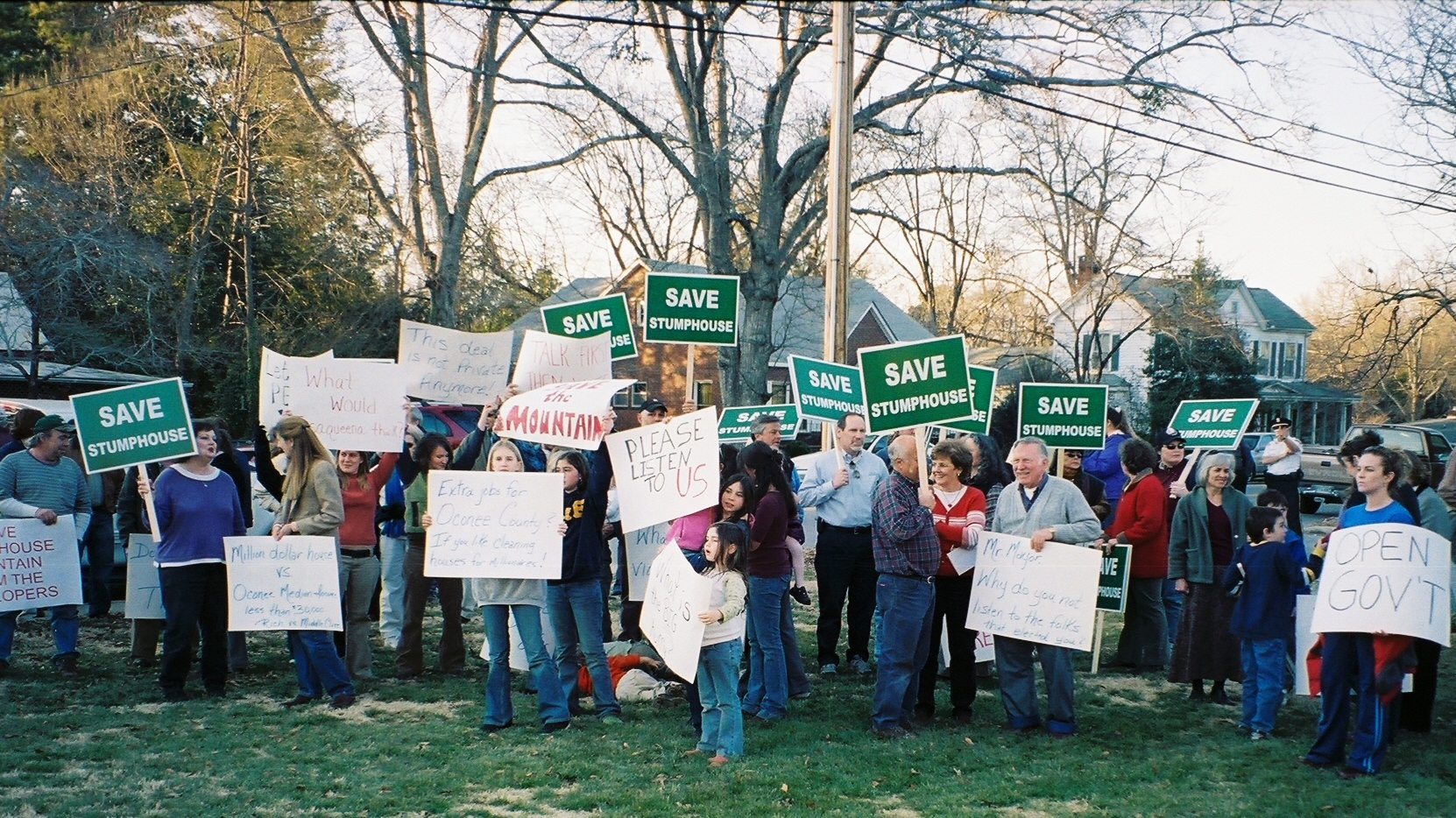
Image: Signs from a public gathering in 2007, supporting the “Save Stumphouse Mountain Campaign”. Contributed Photo, 2007.
The intention is as evident in this proposed rule as it was in the July NEPA rollbacks and in the USDA reorganization—to drag public land management into the backroom and limit input opportunities for the American public, leaving the decision-making process to the federal agencies alone and using efficiency as an excuse to box the public out.
Status:
1) NEPA Regulation Changes Final Rule: Interim rule issued. Retroactive public comment period closed.
2) Pre-Decisional Administrative Review Process Proposed Rule: Proposed February 5, 2026. Public COMMENTS OPEN until March 9, 2026!
What you can do:
1) NEPA Regulation Changes Final Rule: Questionable aspects of USDA’s new interim final rule are expected to be challenged in court. For now, Chattooga Conservancy has joined 80 organizations in signing on to a Southern Environmental Law Center letter opposing the interim final rule on several counts.
Since opportunities for public participation will be limited in the NEPA review process moving forward, it will be more important than ever to show up and comment on USFS projects during the narrow public participation windows that remain. Monitor Chattooga Conservancy’s newsletter and social media for action alerts. And don’t assume that others already know that a project is happening; if you notice USFS actions taking place in the Chattooga River watershed, let us know!
2) Pre-Decisional Administrative Review Process Proposed Rule: There is still time to act! Submit a public COMMENT HERE and tell the USFS what your right to voice your concerns means to you!
Notice of Intent published June 23rd, 2025
Secretary of the U.S. Department of Agriculture (USDA) Brooke L. Rollins has announced the agency’s intention to rescind the Roadless Area Conservation Rule. This rule currently protects over 58 million acres of national forest lands, constituting approximately 30% of our national forests, by placing these areas off limits to logging and road construction with limited exceptions. When the U.S. Forest Service adopted the Roadless Rule in 2001, more than 1.6 million people commented during the rulemaking process, with 95% supporting strong roadless area protection. At the time, this was the most extensive public participation in the history of federal rulemaking.

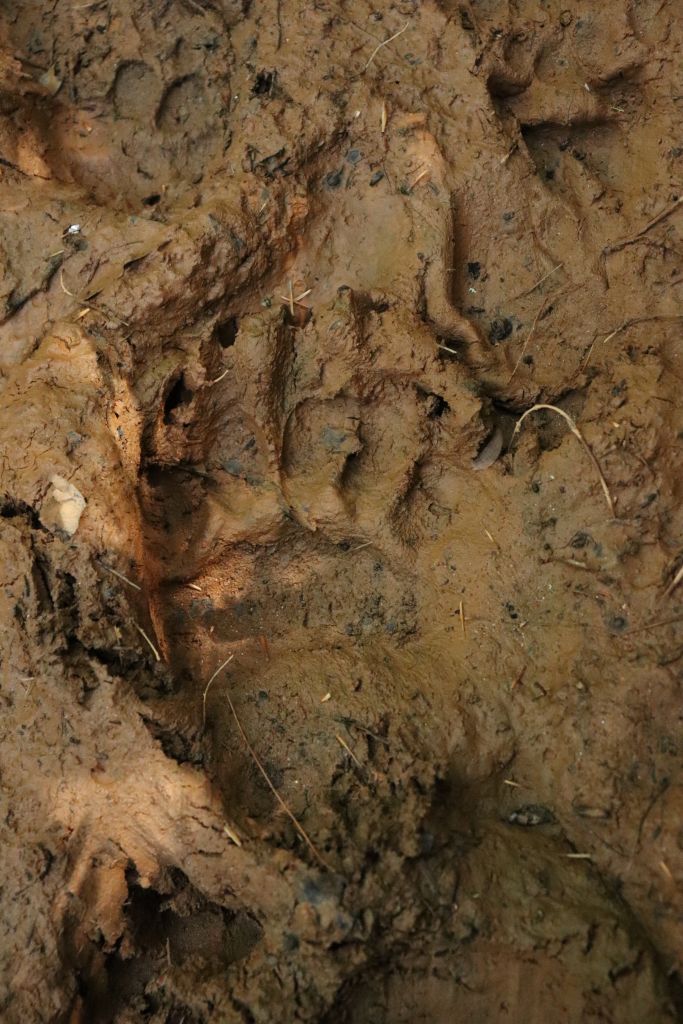
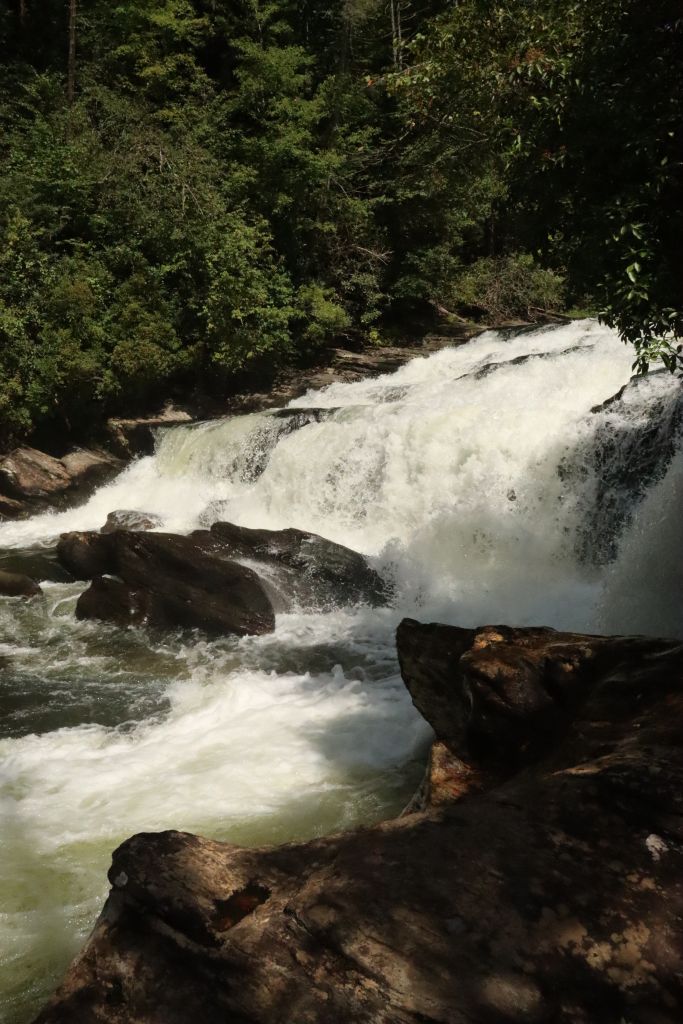
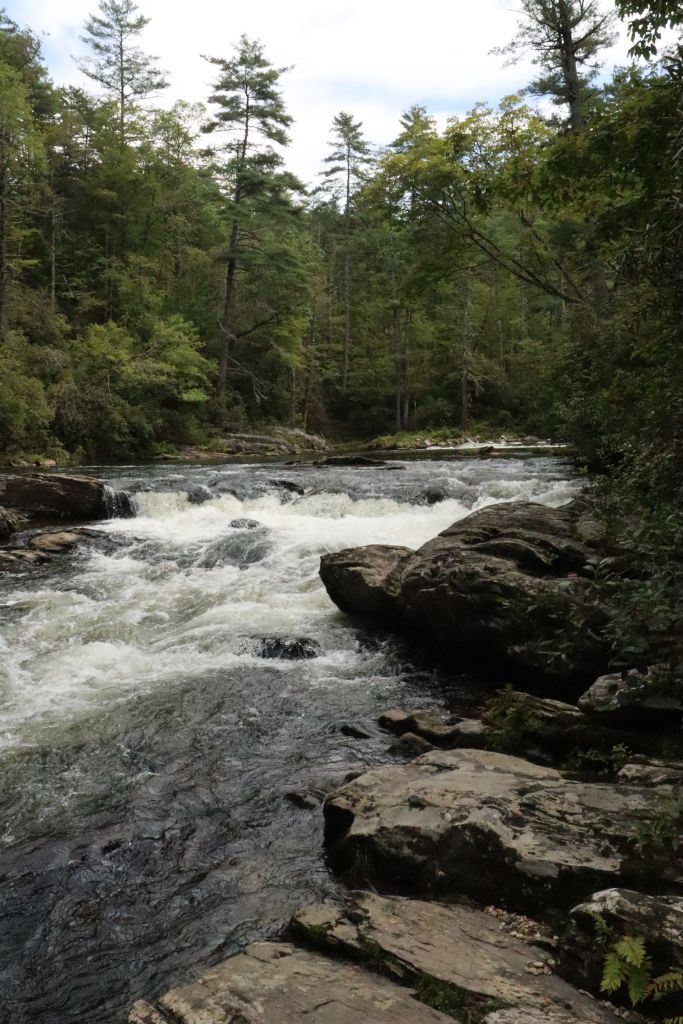
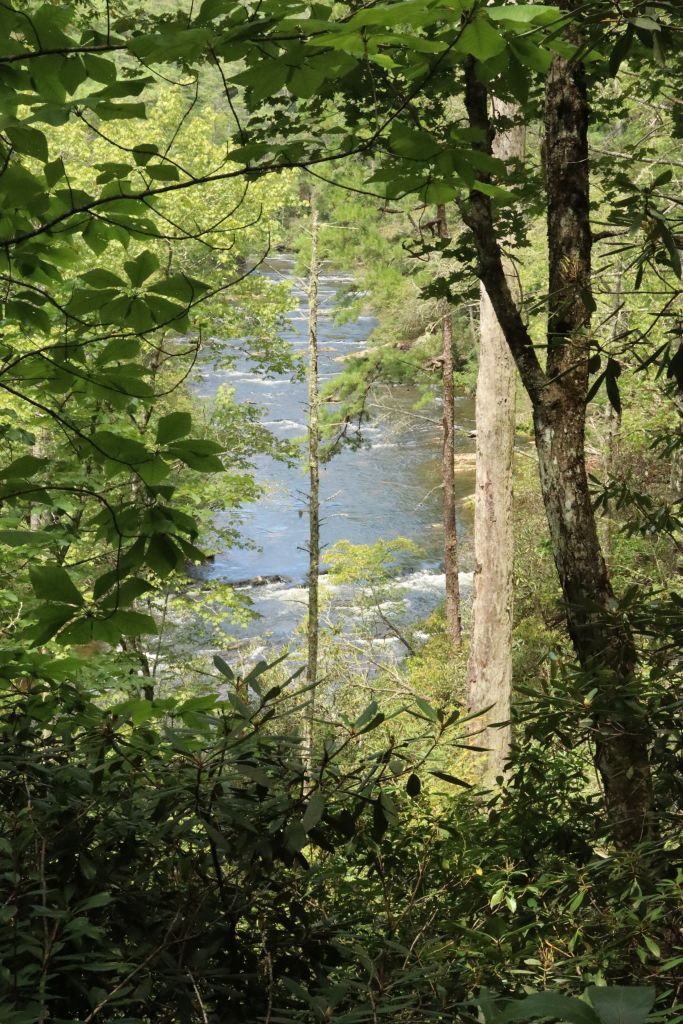
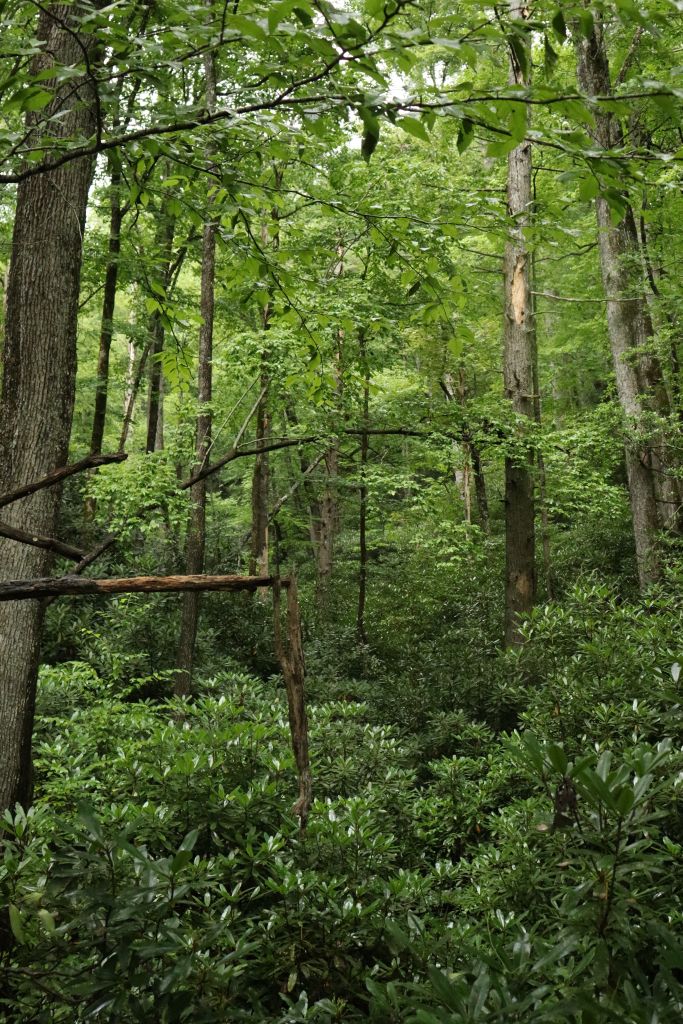
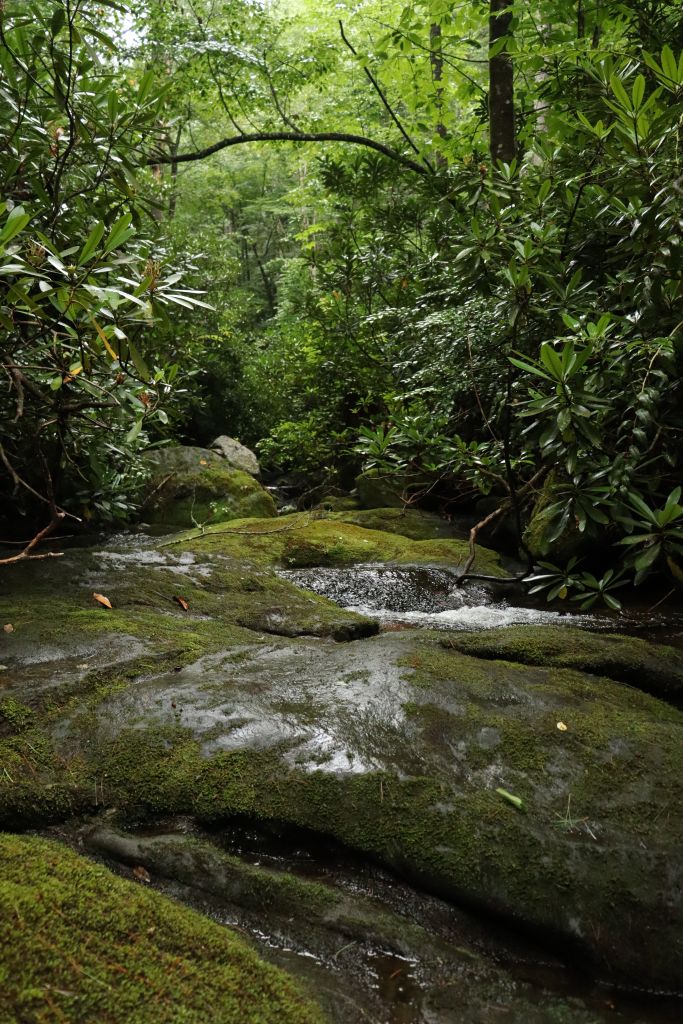
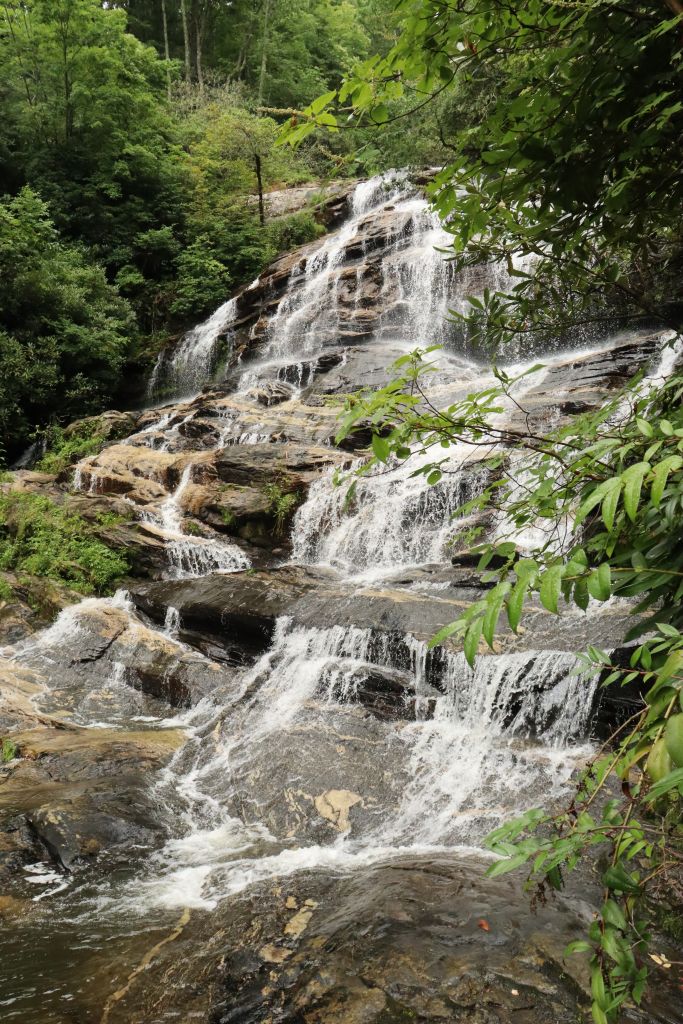
Within the Chattooga River watershed, this rule helps safeguard areas like Overflow Creek, Sarah’s Creek Campground, and much of the river between Burrell’s Ford and the West Fork, all of which are either buffered by or within the Sarah’s Creek, Big Mountain, Ellicott Rock 1 & 2, Ellicott Rock addition, and Overflow Roadless Areas (shown above).
According to a USDA press release, the agency has two motives for rescinding the Roadless Rule: economic development through timber harvesting and wildfire prevention. However, the agency’s 2023 estimates show that the agency-wide maintenance backlog (or “deferred maintenance”) on infrastructure totals over $8.6 billion dollars. This includes deferred maintenance on the more than 386,000 miles of existing roads in the Forest Transportation System, meaning USFS has already built more roads than they are financially able to care for.
Furthermore, research supports the idea that building new roads into wilderness areas increases wildfire risk, rather than prevents it.



Status:
USFS published its Notice of Intent for rescission on June 23rd, 2025. During a short 21-day public comment period, which ended September 19th, 625,737 comments were submitted, at least 500,000 of which opposed rescission.
The countermeasure, RACA, which was introduced to the Senate on June 11th, 2025, was discussed briefly during a December 2nd meeting of the Senate Subcommittee on Public Lands, Forests, and Mining. There have as of yet been no other actions regarding RACA.
What you can do:
RACA: the most crucial thing you can do is to call your elected officials (GA Senators Warnock and Ossoff, SC Senators Graham and Scott, NC Senators Tillis and Budd; and representatives from your districts) and advocate for them to support the Roadless Area Conservation Act! You can also send them a comment via American Whitewater. RACA would permanently protect all federal roadless areas, including those in the Chattooga watershed.
Rescission: while the comment period for the Roadless Rule rescission’s Notice of Intent is over, a second comment period is possible if the USFS files an Environmental Impact Statement (EIS). Check here or on our social media for updates on when and how you can make your voice heard.
July 4th, 2025
The Budget Reconciliation Bill (titled “One Big Beautiful Bill,” or OBBB), a sweeping legislative package of spending/revenue-related policy items, passed both houses of Congress and was then signed into law by the president on July 4th, 2025.
In our June 2025 issue of Chattooga Currents, we highlighted certain environmentally alarming provisions pending in the OBBB prior to its enactment. Thankfully, one of the most shocking provisions, the threat of selling off public lands, caused so much outcry that it was removed from bill. Unfortunately, OBBB retained other provisions which will have negative implications on public land like the national forests in the Chattooga River watershed.

These include:
- Cuts to USFS funding allocated for old growth protection, promoting forest resilience, climate change mitigation, and conservation through tree planting.
- Direction to increase the volume of USFS timber sales by 250 million board feet every year from 2026 through 2034.
- A requirement that USFS enter into at least 40 long-term (20-year) contracts from 2025 through 2034 to sell “national forest materials” (i.e., timber).
- Modifications to the National Environmental Policy Act (NEPA) process to allow oil, gas, coal, timber, and mining companies to pay off the federal government in exchange for expedited environmental review. This provision guts NEPA by allowing companies to buy their way into a short-cut around NEPA’s requirements.
Status:
What you can do:
April 3, 2025
As directed by the March 1, 2025, “Immediate Expansion of American Timber Production” Executive Order, the Secretary of Agriculture issued a memorandum outlining a comprehensive strategy for the USFS to utilize emergency authorizations to significantly increase logging activities across national forests. This initiative aims to fulfill President Trump’s Executive Order target to boost domestic timber production on public lands.
Per the memorandum, approximately 112.6 million acres (59% of national forest lands) are designated as an “emergency situation,” which gives USFS sweeping authorizations to enact and expedite logging projects in these areas, sidestepping standard requirements for environmental review. These logging designations blatantly ignore the boundaries of ecologically sensitive and/or protected areas. In the Chattooga River watershed alone, the “emergency” designations include 78% of national forest lands in the watershed and 70% of the Wild & Scenic corridor.

The “emergency” declaration exempts these designated forests from standard environmental review processes, such as certain requirements under the National Environmental Policy Act (NEPA); and it significantly weakens other important ecosystem safeguards like those in the Endangered Species Act (ESA). These “emergency” authorities allow for expedited logging operations without sufficient public comment periods or alternative action considerations.
Since the publication of this Secretarial memo, the USFS has been issued “implementation guidelines” that direct the agency to “employ existing, and develop new, innovative, options for expediting” environmental review processes to streamline logging operations and to “prioritize use of CEs [Categorical Exclusions] to meet NEPA compliance.”
Status:

What you can do:
The misleading “Fix Our Forests Act,” (FOFA) is still pending in the U.S. Senate. Despite opposition from conservation groups, the Senate version of the bill retains many harmful provisions from a version that passed the House of Representatives on January 23, 2025.
- expanded categorical exclusions (CEs) from environmental review for USFS projects up to 10,000 acres
- weakened Endangered Species Act (ESA) protections
- limits on citizen input and judicial review
- the misuse of emergency authorizations to push projects through before conducting environmental review

Moreover, FOFA relies on a mistaken assumption that removing trees from our national forests will make us more resilient to wildfire. Instead, recklessly opening up our nation’s forests to increased logging will accelerate climate change, making our communities more vulnerable. Conservation groups like the Center for Biological Diversity, Sierra Club, and Defenders of Wildlife have voiced their preference for a more scientifically sound alternative proposal, the “Community Protection and Wildfire Resilience Act” or H.R.582.
(read more about FOFA in the March 2025 issue of Chattooga Currents)
Status:
What you can do:
USFS and BLM are to “issue new or updated guidance […] to facilitate increased timber production” under the Good Neighbor Authority, stewardship contracting, and the Tribal Forest Protection Act.
USFS and BLM are to develop expedited ESA (Endangered Species Act) review processes to “streamline” the approval of forestry projects.
USFS and BLM are to submit to the president a timber target for the next 4 years measured in millions of board feet.
USFS and BLM are to complete the “Whitebark Pine Rangewide Programmatic Consultation.”
The Secretaries of Agriculture and Interior are to “consider and adopt” further Categorical Exclusions (CEs) to streamline the exemption of logging and forest management projects from NEPA (National Environmental Policy Act) standards.
The Secretary of Interior is to “consider and adopt” CEs specifically for the exemption of timber thinning and salvage logging projects from NEPA standards.
Status:
In the months since EO 14225 was issued, several steps have been taken towards implementing its directives on national forest land:

On November 19th, 2025, the Department of Interior’s U.S. Fish and Wildlife Service announced revisions to its Endangered Species Act regulations that would roll back protections for imperiled species and their habitats to favor development and economic interests.